Saar School History
Few things characterize rural Saskatchewan history like old schoolhouses. Take Saar School, for example, which now sits on our property but was once the gathering place for class… and community dances and Christmas programs and card parties and box socials – in fact, it’d be quicker to list what these old schoolhouses weren’t used for!
Now a part of Kronau Museum, old Saar School was built in 1926 and, interestingly enough, had pupils before it had a building. In 1925, it was recognized that Scott School had become an insufficient space for the students it hosted, and the idea of a new school was born. Once the structure was finished, it would replace Scott School and, similarly, belong to the Scott School District 2007. Saar stayed as so until 1957 – thirty years after the naming of Saar School – when the name was changed to the Saar School District 2007.

Although it’s much smaller than the schools we have today, Saar School’s trustees budgeted only $7,500 for the both the school site and building, which would have two rooms and a basement. This was done at the end of June, and nearly three months later, after bids for the construction were opened, contractor J. Linkhert was hired for $4,995. Class would begin in the fall of 1927, but not before the construction process experienced a few hiccups.
After being hired, Linkhert informed the Trustees that he would need additional money to buy cement, which he had forgotten in his original bid. By the end, a total of $99.35 was held back by the Trustees for work that the contractor never completed. The furnace was late to arrive, and as construction stretched on into the winter months, the plaster on the walls began to freeze. During construction, the Trustees decided to have the building insured. Finally, a phone was installed in October and desks were brought from Scott to the new school in November. Unfortunately, a severe storm damaged the original shingles and those needed to be replaced the next year, in 1927. As well, toilets, sidewalks, and basketball posts were transferred from the old school to the new one in May.
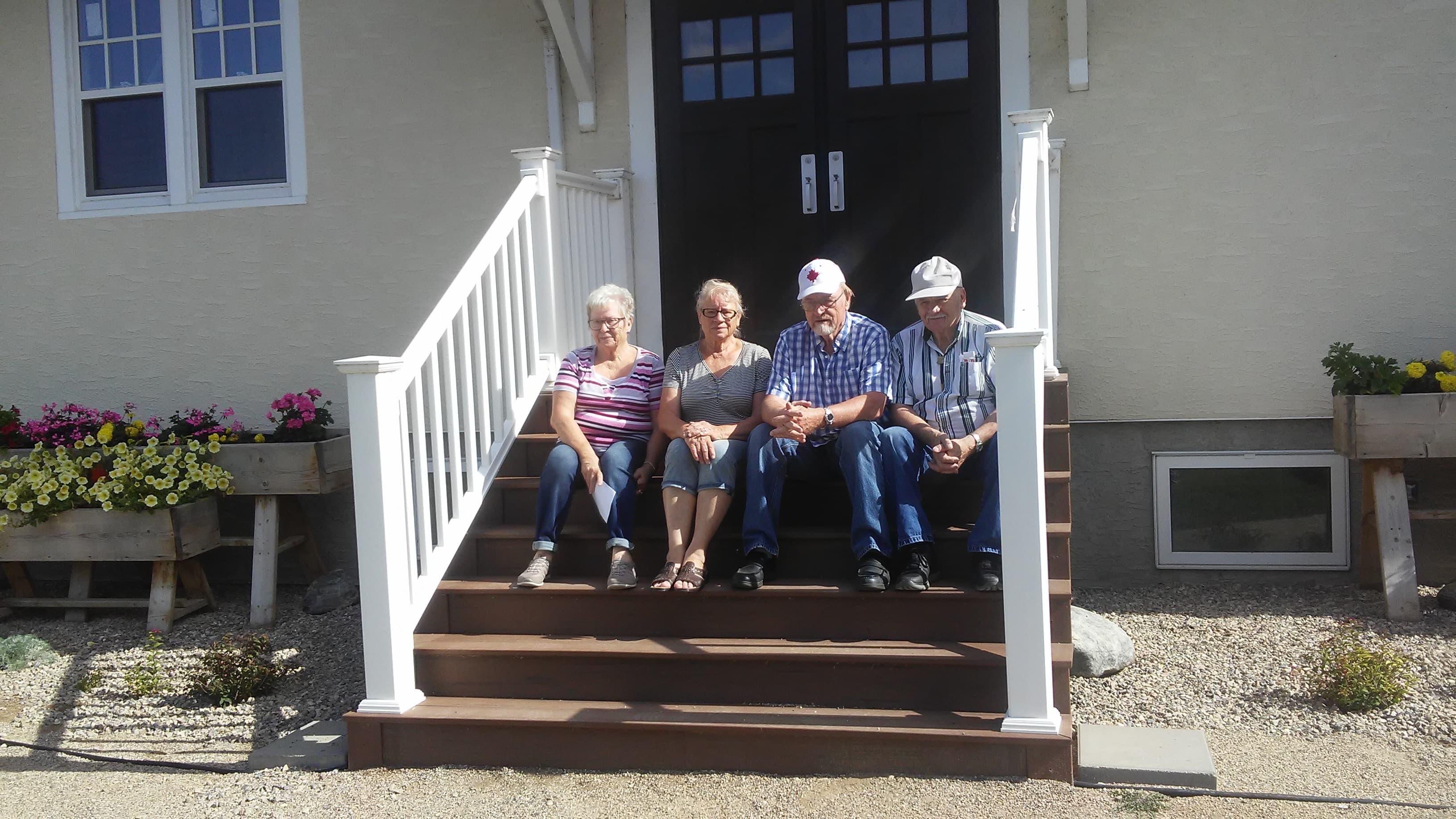
Saar’s first teacher was Miss Mary MacDonald.
Until 1948, when the Memorial Hall in Kronau was built, Saar School was the place that drew the community together. During the six decades that it was in operation, Saar School hosted hundreds of community events – as any rural schoolhouse would have. The place where people came together, these buildings symbolize many of the best memories for Saskatchewan’s pioneers.
The teacherage, a small building on the school grounds in which the teacher lived, was Saar School’s next project. In 1948, the school’s trustees increased the mill rate by 1% and the surplus would fund the new building. In 1950, the teacherage was completed.
In 1953, it was recognized that Saar School needed an additional classroom, which would provide for two elementary rooms and a “continuation” room for youth between grades seven and ten. Eventually, this resulted in the construction of another building on school property.
Throughout the next few decades, Saar School received some structural updates, but the last major change would be its entrance to the larger school district, Regina School Unit No. 21, Sub-Unit No. 5. Effectively, the school district’s affairs would be administered by the Regina Unit Board beginning January 1964. As well, the bank balance of Saar School’s Board account was likewise transferred and the hiring, teacherage, rental agreements, contracts, and salary schedules became the responsibility of the city board.
The old Saar school was the last school building in Kronau to be governed by a local authority.
Like many others (Scott, Steadfast, and St. Johannes schools included), our Saar School is no longer in operation. The year 1986 marked both the school’s sixtieth anniversary as well as its closure when a new school was built within Kronau. For four years, the Saar building sat unoccupied until 1990, when the building was converted into a residence.
In 2006, when it was suggested that the building be donated to Kronau Museum, then only one year old, fundraising began to move it to today’s current lot. Finally, Saar School was placed on its new basement beside the Bethlehem Lutheran Church in 2008, where it will remain. As of 2010, Saar School became a designated Municipal Heritage site.

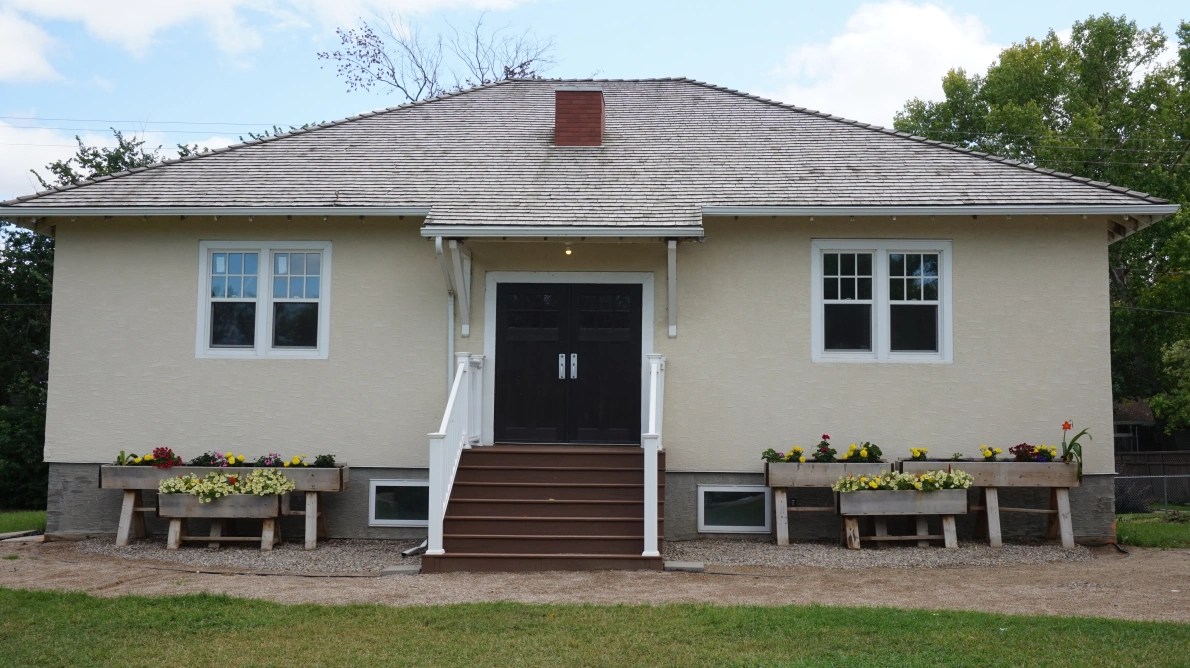


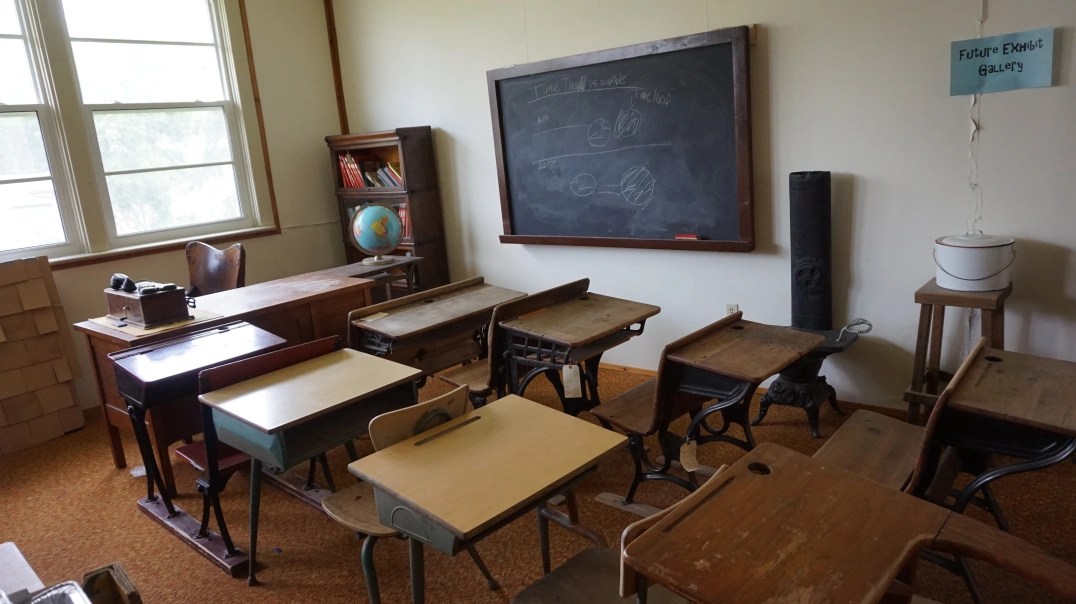
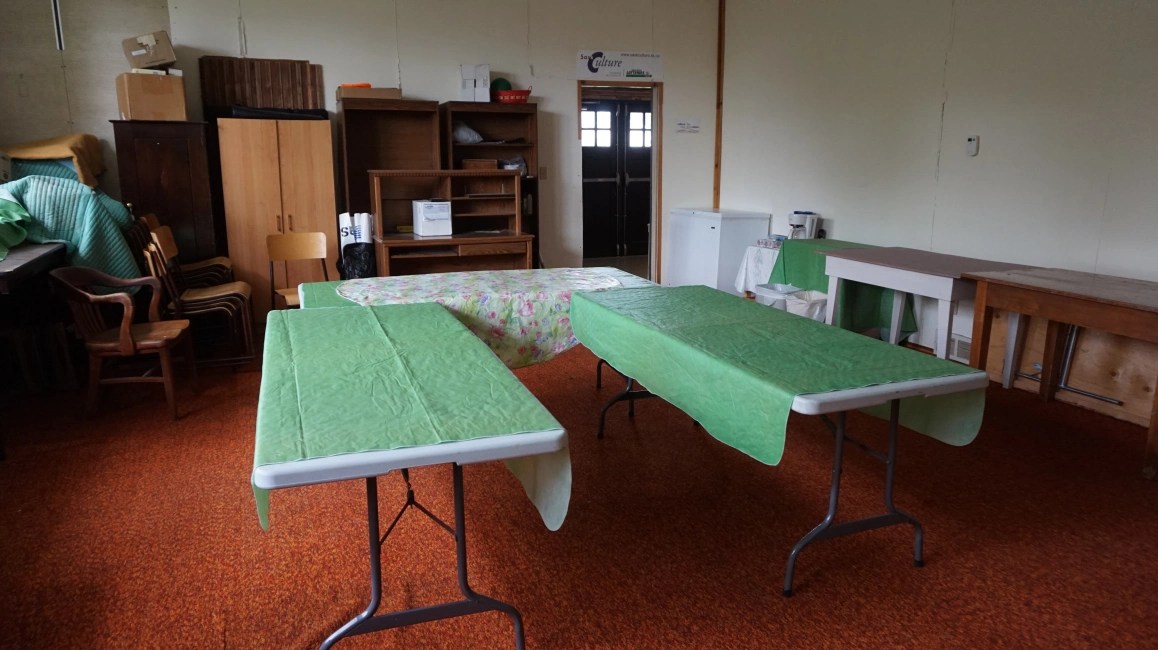
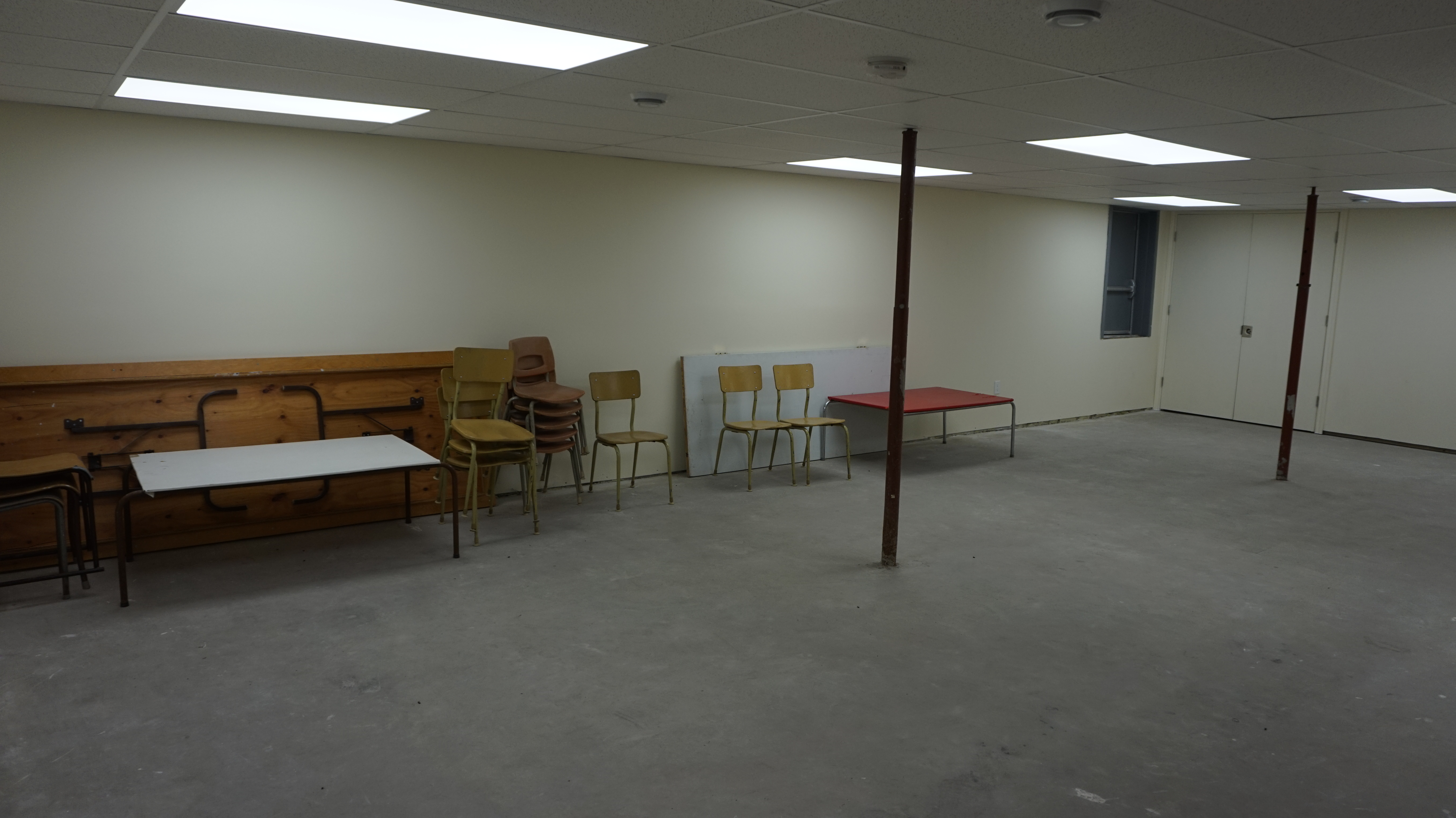


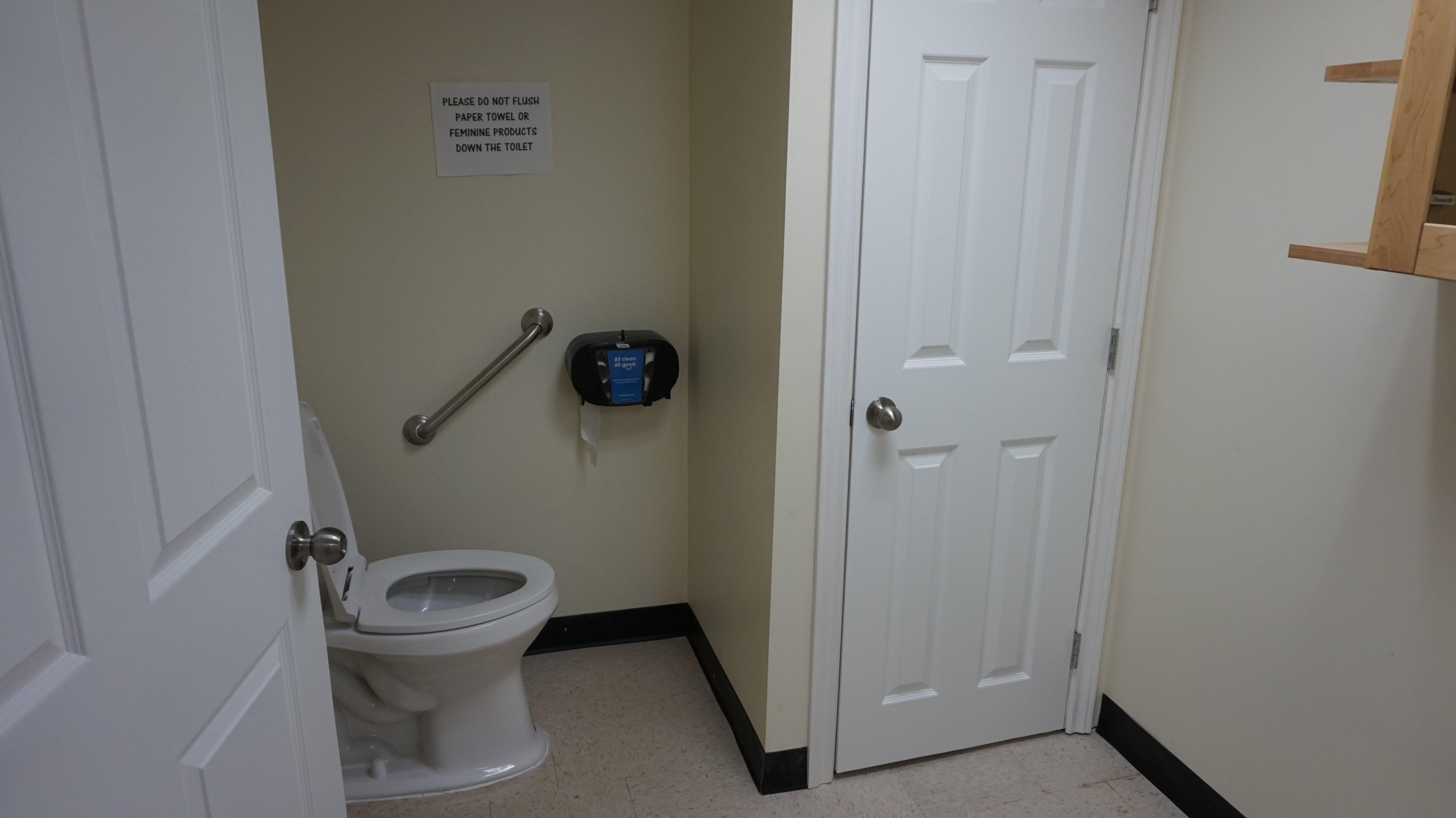
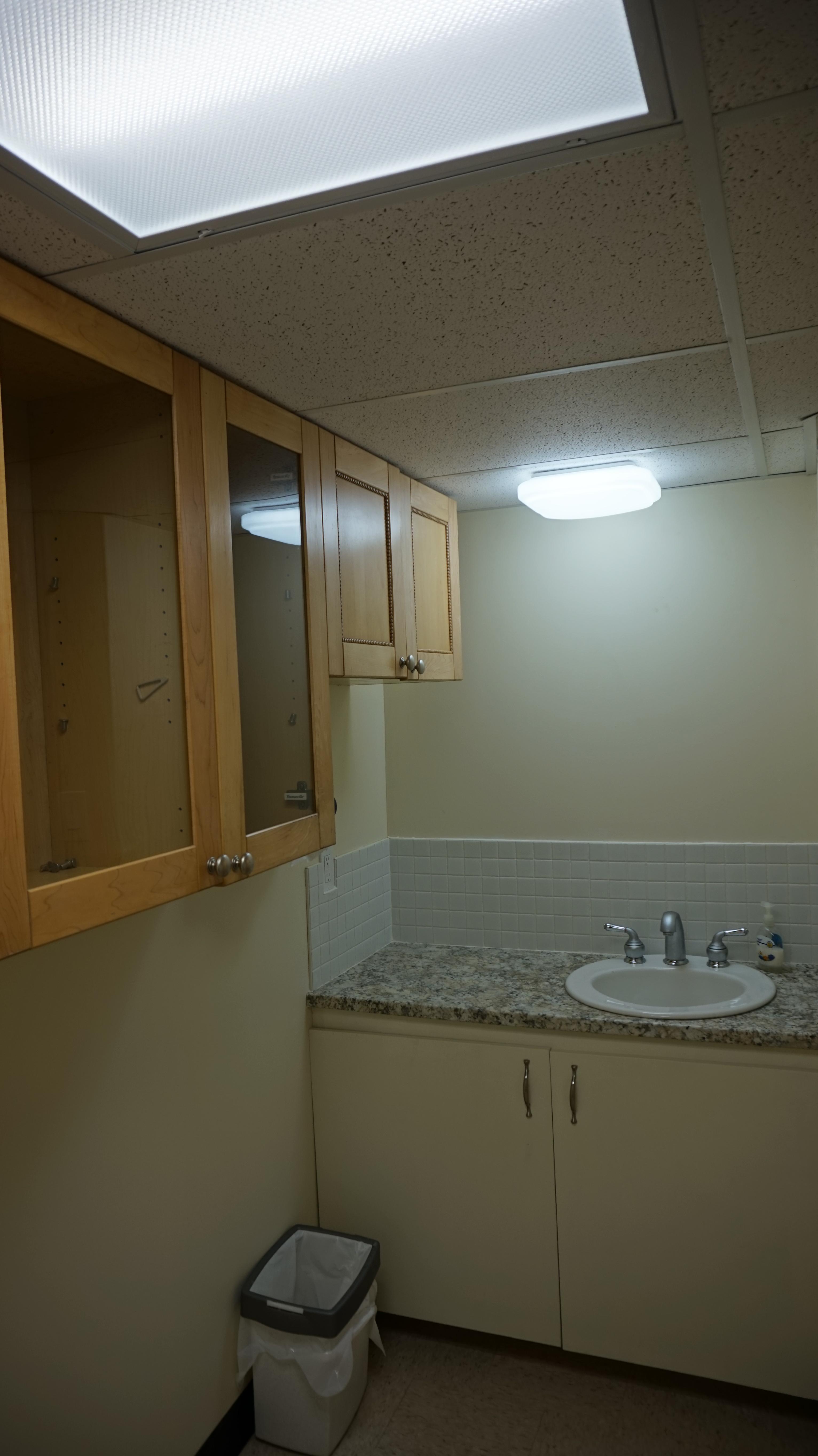
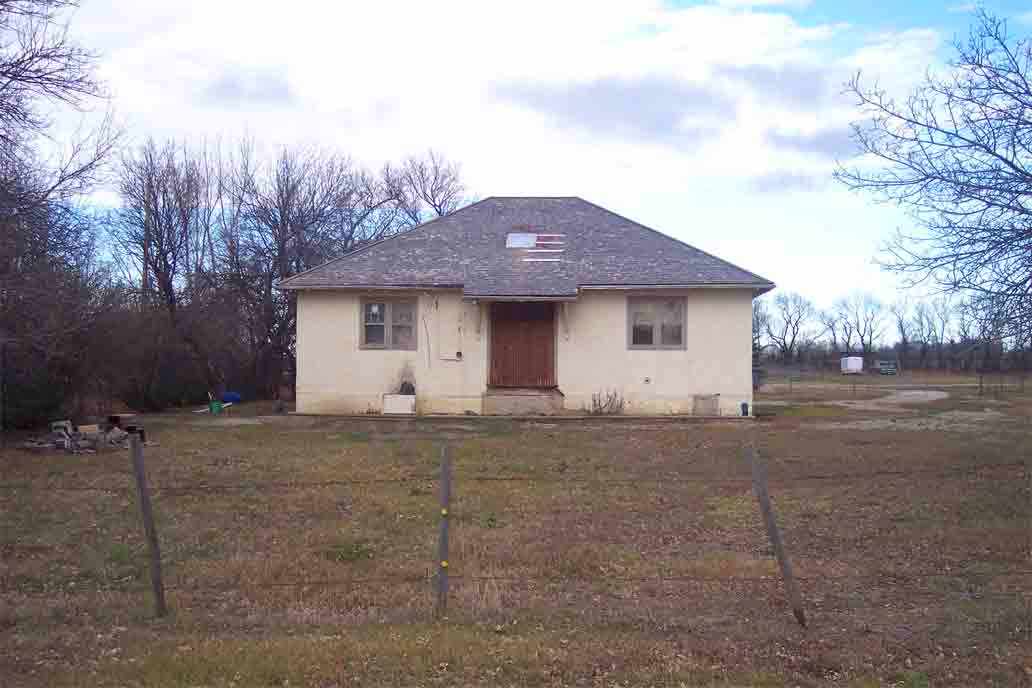
Kronau Museum has worked tirelessly to restore Saar School to its original integrity since receiving it in 2007. Not only does it fit our mission statement (to preserve the story of Saskatchewan’s settlement), but Saar School remains a personal project for many of those involved. While it is representative of the lifestyle of Saskatchewan’s pioneers, many in the community and who sit on the museum board attended or graduated from Saar. It is with support from generous volunteers, donors, and sponsors that Saar School has been able to open its doors to the public once again – albeit, in a very different way. Saar is an especially important addition to Kronau Museum as the hamlet lost its only operating school in 2008, a loss with which many rural communities can empathize.
| It was agreed to purchase the building and Board Members provided interest free loans to the Museum to complete the sale with the understanding that the building would not be moved until the new site could be prepared and a basement constructed. | |
| 2008 | New insulated basement was constructed and the building was relocated to the museum grounds. The windows and part of the north wall were damaged in the move and the roof was leaking so the building was weather-proofed and remained untouched until funds could be raised to begin the work of restoration. By 2009 the Board loans had all been repaid and the building fund started to grow. |
| 2010 | The Saar School Building was declared a Municipal Heritage Site by the “Rural Municipality of Lajord #128. |
| 2011 | The roof was repaired and new cedar shingles were installed. A faux chimney was constructed to replicate the original. The north side wall which had been damaged in the move was straightened and repaired and a new handicap accessible side entrance was installed. |
| 2012 | Replaced all the windows with new maintenance free, operational, PVC double pane energy efficient windows constructed to replicate the original windows. |
| 2013 | Repaired and braced floor joists damaged during the move and poured a concrete floor in lower level. Installed a new side door, large landing and interior staircases. Installed an emergency egress exit. |
| 2014 | Continued to raise funds to enable the continuation of the restoration. |
| 2015 | Insulated the inside basement perimeter walls with spray-foam with an insulation value of R21. |
| 2016 | Removed old broken stucco and replaced with vapor barrier, rigid Tyvac insulation and new colored stucco which will not need painting. Installed new wiring, ductwork, and energy efficient furnace. Installed new energy-efficient, low maintenance double entrance doors build to replicate the original doors that were no longer in existence, as well as replica new, low maintenance stairs exterior with landing and railings. |
| 2017 | Installed partition walls, drywall, taped, painted, and installed doors in the lower level. Installed fire doors to stairwell and upstairs. |
| 2018 | Installed a drop ceiling, LED lighting and commercial flooring in lower level. |
| 2019 | Trenched water and sewer lines that tied into the septic system that services the church building into the school. Installed a sump pump with an automatic control in the mechanical room. Installed plumbing, energy efficient water heater, low water consumption toilet and constructed a vanity in both washrooms and activity room. The lower level was now complete. |
| 2020 | Due to Covid-19 there was little activity. Limited fundraising continued to enable the next step in the restoration. |
| 2021 | Repaired the damaged floor joists and repaired the floors in the main floor foyer and washroom. Widened existing doorway to make it handicap accessible, removed old bathroom fixtures, gutted the old lathe and plaster washroom walls and ceiling, installed new insulation, plumbing and fixtures, low maintenance wall coverings, drop ceiling, LED lighting, and commercial flooring. |
| 2022 | Although this was not part of the actual building restoration, the original metal flagpole of Saar School was repaired and installed in the front of the building and some work was done on the grounds to improve the street appeal of this Heritage structure. |
| 2023 | Along with fundraising dollars we had accumulated, we received funding from Hamlet of Kronau, RM of Lajord and Canadian Heritage – Canadian Cultural Spaces Fund which made it possible to continue with renovation. |
| 2024 | A new Building Code came into effect on January 1, 2024. In order to meet this new code it necessitated removing all of the suspended ceilings in the basement and installing 5/8” fire retardant drywall on all ceilings and most walls, including the exhibit storage room, maintenance room and stairwells, reinforcing the main beam again, installing fire dampers in all ductwork, reinstalling the suspended ceilings. Stairs had to be widened and landings enlarged all fire doors reinstalled. In spite of the huge additional expense and these delays the upstairs was completed. This included new framing over the old lathe and plaster walls, sprayfoam insulation on the perimeter walls, maintenance free, fire retardant drywall throughout, all new wiring, exit signs and energy efficient LED lighting, safety glass in-wall display cabinets, a new kitchenette where the old cloakroom was and all new vinyl plank flooring upstairs, stairways and landings. This provides essential space for a new exhibition gallery, craft room, meeting/mullti-purpose room and new administration area. As well, it allows for a large, dedicated artifact storage and cataloguing area in the basement of the restored church building. It has been a very long road, l7 years to be exact, but the Museum Board and Committee are extremely gratified with the result. The restored and renovated Saar School building and grounds are a venue the community can be very proud of for many years to come. |
 Kronau Marvelous Museum & Creative Corner